
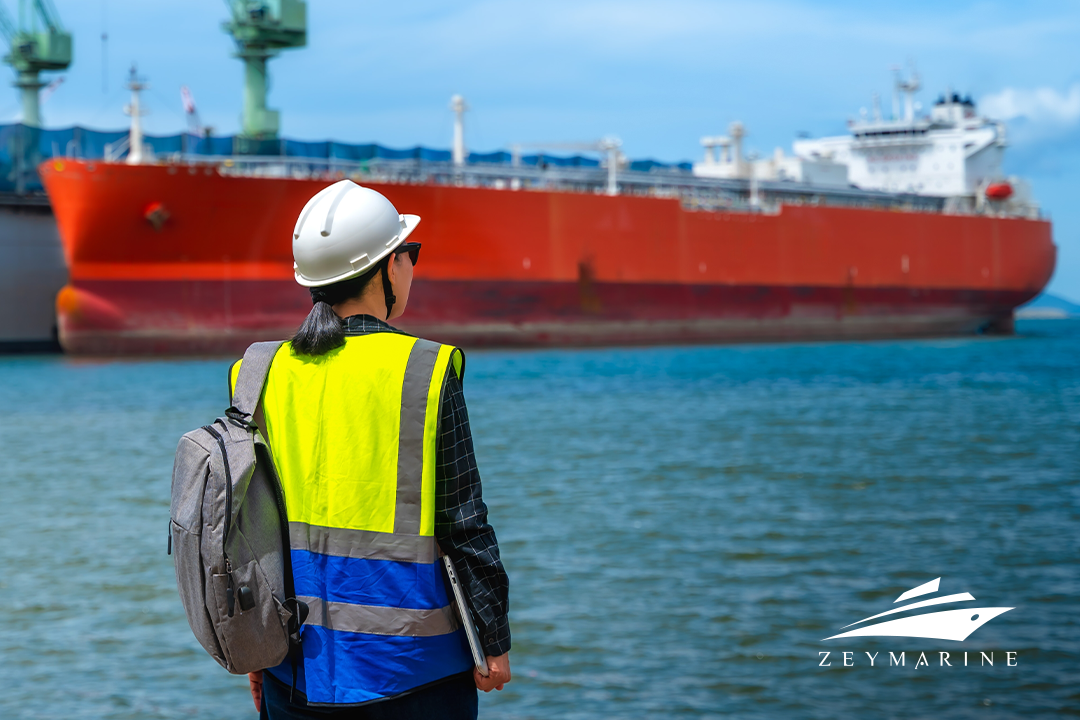
Women make up only 1% to 2% of the world’s seafaring workforce, which means that the maritime industry is missing out on an immense talent source. It’s time to move past tokenism and acknowledge that gender diversity is a business and operational necessity in addition to a social equity issue.
Women Workforce Now
The maritime industry, despite its essential function in facilitating 90% of global trade, faces a persistent challenge with its outdated demographic profile. Global statistics highlight a stark gender imbalance: female seafarers make up only slightly over 1% of the crewing population, a percentage that has been stagnant for years and has never surpassed 2% globally. According to WISTA, even in major maritime countries such as Germany, where the proportion is relatively high at about 7%, progress is fragile. For instance, the share of women in the dual training program for ship mechanics has recently declined from 17% to 10%.
The latest IMO-WISTA Women in Maritime Survey, published in May 2025, provides the first comprehensive dataset on this disparity. While women account for nearly 19% of the workforce in national maritime authorities and 16% in shore-based private sectors (such as shipping companies, ports, and classification societies), the ratio plummets on vessels. At sea, the figure hovers stubbornly around 1%.
These figures, while promising, are outliers. The pipeline issue is evident in training data: while 5% of students pursuing seafaring degrees are women, this does not translate into active careers at sea.
Women‘s Establishment in Maritime
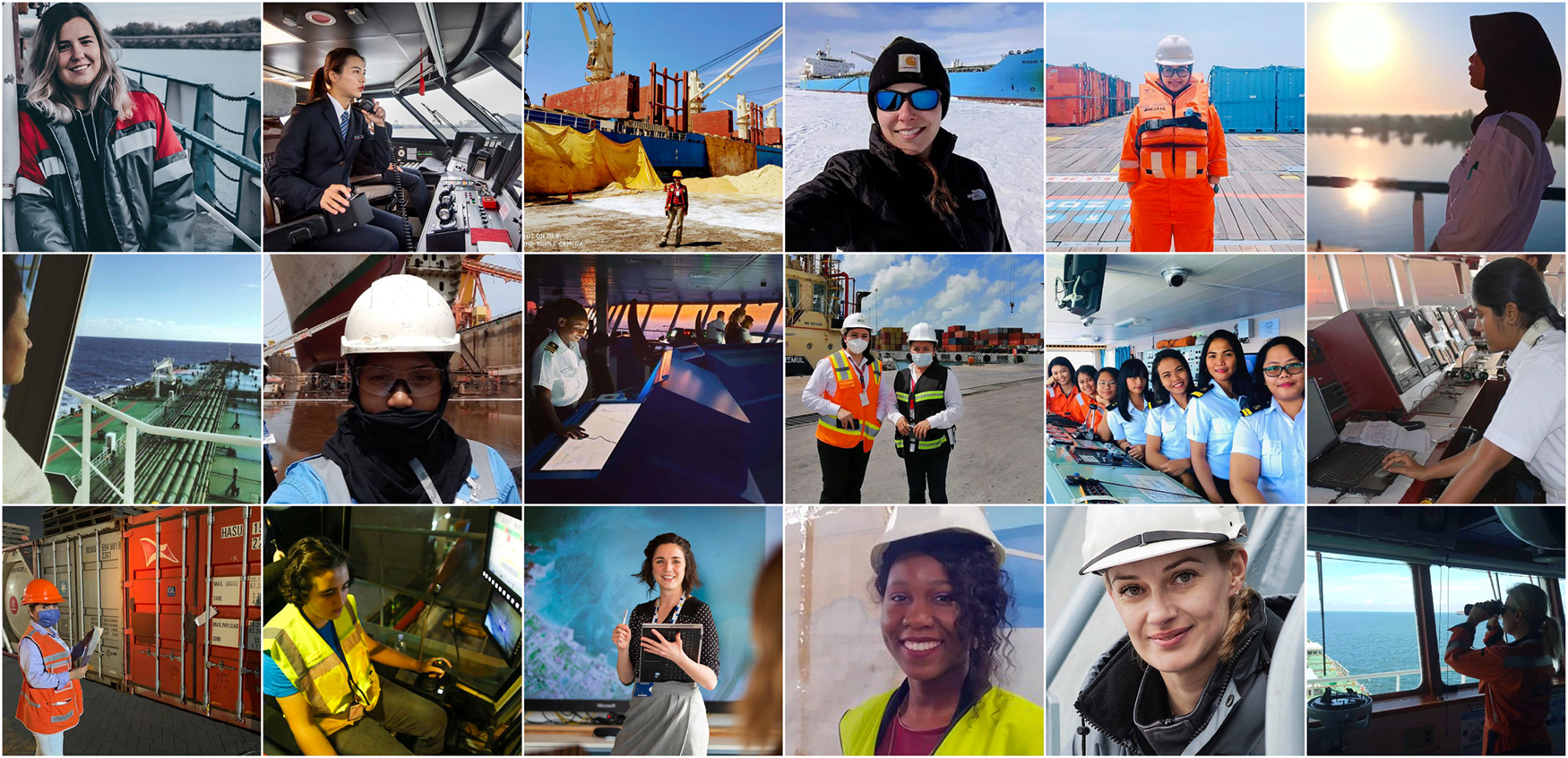
08March2026-TheFutureofMaritimeNeedsMoreWomen-Zeymarine
Establishing a sustainable female presence in maritime requires more than just recruitment drives; it demands a fundamental restructuring of the onboard environment and career pathways.
A landmark step in this direction is the Diversity@Sea initiative launched by the All Aboard Alliance of the Global Maritime Forum. Eleven major companies, including BP, Cargill, and Stena, have committed to piloting concrete measures aboard vessels. These requirements include having a minimum of four women on board, a radical shift in an industry where women are often the sole female among twenty crew, providing appropriate conditions for menstrual hygiene, ensuring 24/7 Wi-Fi for crew connectivity, and guaranteeing access to inclusive Personal Protective Equipment (PPE).
Why Do We Need More?
The modern maritime sector requires skills in data analytics, finance, decarbonisation, corporate leadership, supply chain management, and AI. These roles are increasingly filled by professionals from outside the traditional seafaring background, offering women opportunities to enter the industry at senior levels without having first navigated the challenges of life at sea.
The complexity of modern shipping demands cognitive diversity. The industry is undergoing its most significant transition since the shift from sail to steam. Decarbonisation mandates are reshaping fuel technologies, digitalisation is introducing autonomous systems, and regulatory frameworks are becoming increasingly complex. Tackling these challenges requires varied perspectives. Diverse teams are proven to be more innovative, better at risk assessment, and more effective at problem-solving.
Furthermore, the customer base is diversifying. Supply chain stakeholders, charterers, and end consumers are increasingly scrutinising ESG (Environmental, Social, and Governance) credentials. Charterers are beginning to prefer partners who demonstrate a commitment to social sustainability, making female inclusion a competitive differentiator.
There is also the issue of safety and culture. Vessels with mixed crews and inclusive policies report a more professional onboard atmosphere. By fostering an environment where all crew members feel respected, the industry reduces risks associated with bullying and harassment, which in turn improves retention and operational safety.
Finally, we need more women in maritime to inspire the next generation.
When young girls see women in command on the bridge or managing fleet operations from the shore, the career becomes conceivable. Representation is the first step toward transformation.