
We are leaving another year behind. Like the sea itself, it came with calms and squalls, moments of momentum and sudden disruption. 365 days is a long passage, and memory has a way of smoothing the waves. Before we bid farewell to 2025, let us look back and recall how the year unfolded for the maritime world.
January
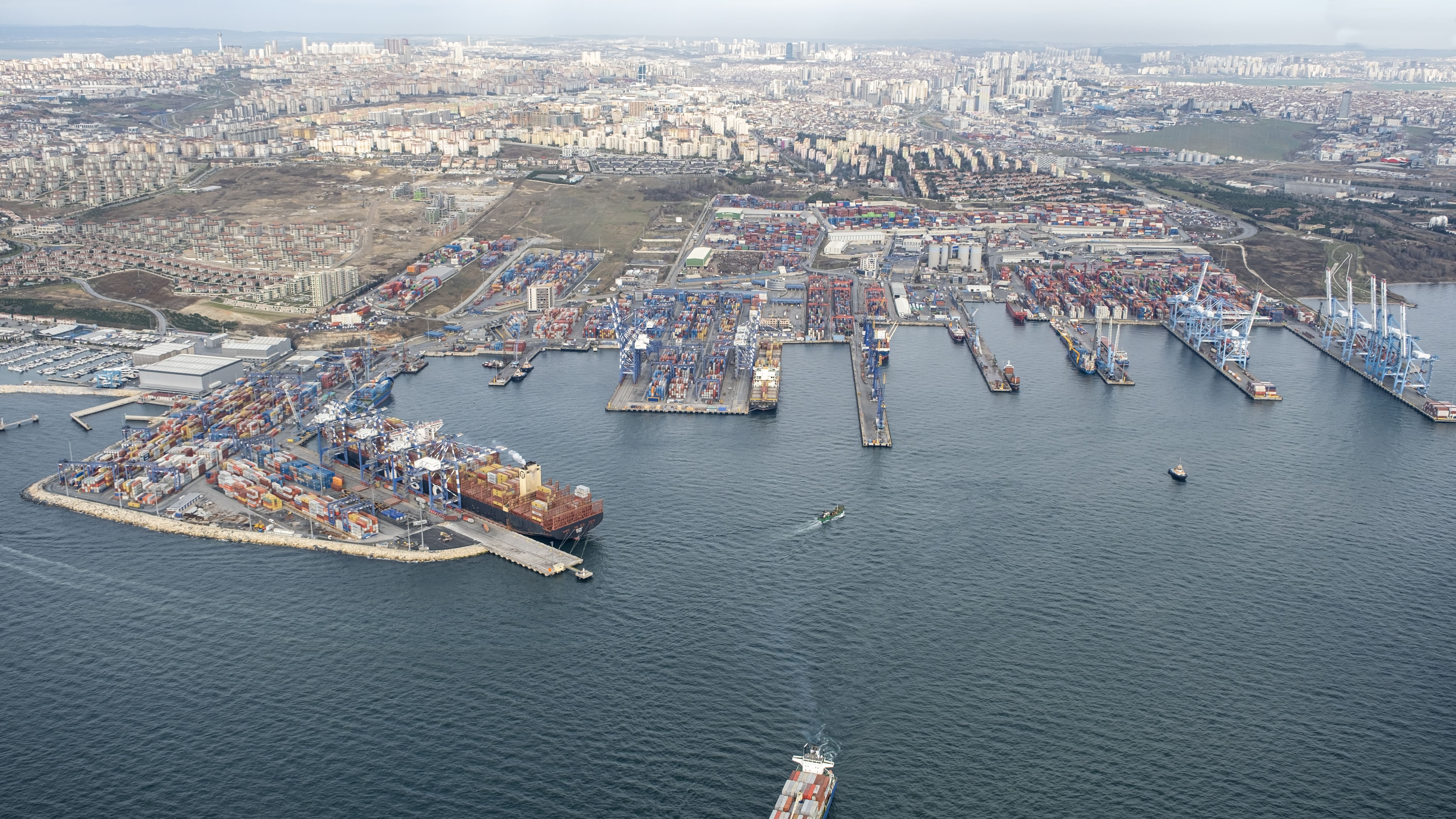
The year began with cautious relief. Potential labor disruptions at major ports did not happen after agreements were reached, allowing global trade to stabilize. Container flows remained steady, though a sense of fragility continued. Shipping executives focused more on resilience than growth, marking a significant shift in priorities. Beyond the ports, the maritime economy felt the impact of land-based conflicts. Rerouting due to instability in the Red Sea and Eastern Mediterranean became standard, leading to longer voyages, higher insurance costs, and constant operational changes.
February
February was quieter in the news but brought serious warnings. Industry reports highlighted cyber risks, administrative burdens, and crew welfare as growing concerns. Ships now function as data centers and ports resemble smart cities, yet security and governance lag behind this technology. At the same time, compliance fatigue increased. Requirements for environmental reporting and safety audits expanded faster than staff could manage.
March

March provided a harsh reminder of maritime risks. A collision in the North Sea between a container vessel and an oil tanker resulted in fatalities and led to new debates regarding traffic management and bridge safety. Regulation also advanced. New rules for transporting dangerous goods, especially in Asian trade routes, increased oversight. Meanwhile, operators adjusted fleet strategies as IMO carbon intensity requirements became stricter, influencing charter rates and vessel values.
April
April was marked by a major disaster. A large explosion at Shahid Rajaee Port caused significant concern throughout the global port community. In addition to the loss of life, the incident raised questions about hazardous cargo handling, emergency response, and safety enforcement. Elsewhere, practical work continued: salvage operations, port upgrades, and steady investments in automation. These events highlighted the contrast between maritime progress and its inherent vulnerabilities.
May
May tested the industry’s environmental response. The capsizing of a container ship off the southwest coast of India raised concerns about fuel leaks and pollution. A quick response prevented a major disaster, and the rescue of all crew members was a positive outcome in a difficult situation. The incident led to discussions about ship stability, aging fleets, and the pressure of operating in busy trade lanes.
June
By June, the focus turned toward internal industry challenges. Meetings centered on uncertainty regarding trade fragmentation, sanctions, insurance volatility, and cyber resilience. The war in Ukraine continued to disrupt Black Sea logistics, affecting grain shipments and inland waterways. Shipping, often viewed as a neutral global business, found it increasingly difficult and expensive to maintain that neutrality.
The Hong Kong Convention’s enforcement on ship recycling standards was also crucial. The IMO stated that its entry into force “will ensure that ships do not pose any unnecessary risk to human health and safety or to the environment” when recycled.
July
July saw advancements in technology. New safety analytics systems began providing shipowners with better data on vessel impacts, motion stress, and near-miss events. However, the Red Sea remained unstable. Attacks on commercial ships resumed, making the detour around the Cape of Good Hope a long-term feature of global trade. Fuel costs rose, and schedules lengthened, placing a heavier burden on seafarers.
August

In August, civilian initiatives took center stage. A multinational flotilla attempting to deliver humanitarian aid to Gaza drew international attention. Although the vessels were intercepted, the effort underscored the severity of conditions ashore: widespread shortages of food, medical supplies, clean water, and fuel had turned basic survival into a daily struggle for Gaza’s civilian population. The sea, in this context, became less a trade route than a lifeline, symbolic and logistical at once.
September
September continued the themes of the previous month. Increased security at strategic points, such as Bab el Mandeb and the Eastern Mediterranean, changed routing and charter negotiations. Risk premiums are now considered standard costs rather than temporary fees. Simultaneously, port efficiency improved in several regions due to digital planning and AI assisted cargo handling.
October
November
November brought the focus back to conflict. A drone strike at a Ukrainian port damaged a tanker, proving again that maritime logistics are vulnerable to land-based wars. While there were no casualties, the event showed that ports are critical infrastructure during times of conflict. Inland waterways also proved to be vital yet vulnerable parts of the global supply chain.
December
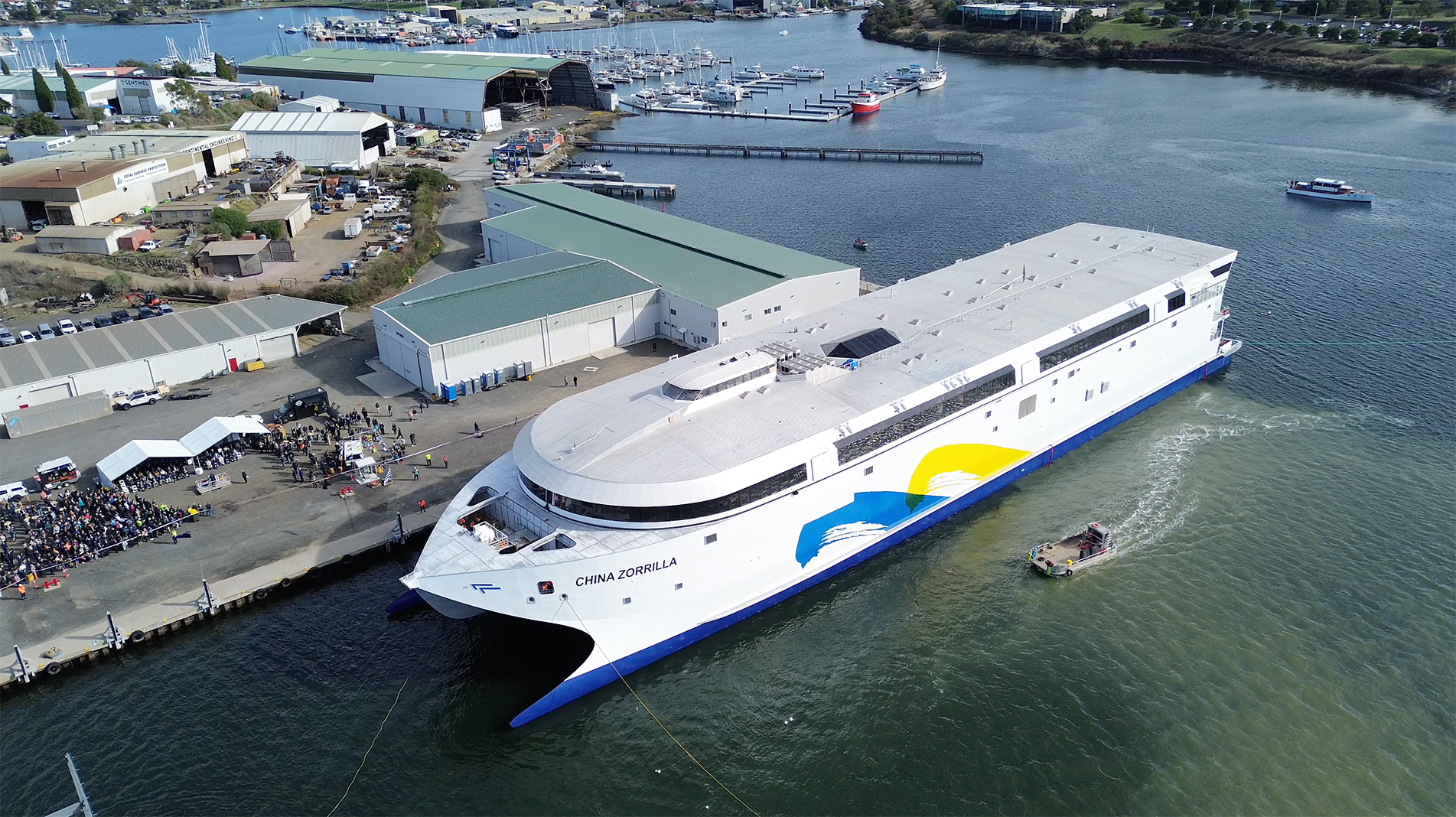
The year ended with a positive development. The launch of a very large electric passenger vessel (Hull 096) showed real progress toward zero-emission shipping. However, December also saw stricter regulatory enforcement. Sanctions against “shadow fleets” increased oversight on opaque tanker operations, raising the requirements for legal compliance and environmental safety.