
In an era dominated by ambient career anxiety, screen fatigue, and the steady march of corporate restructuring, the open ocean offers something increasingly rare.
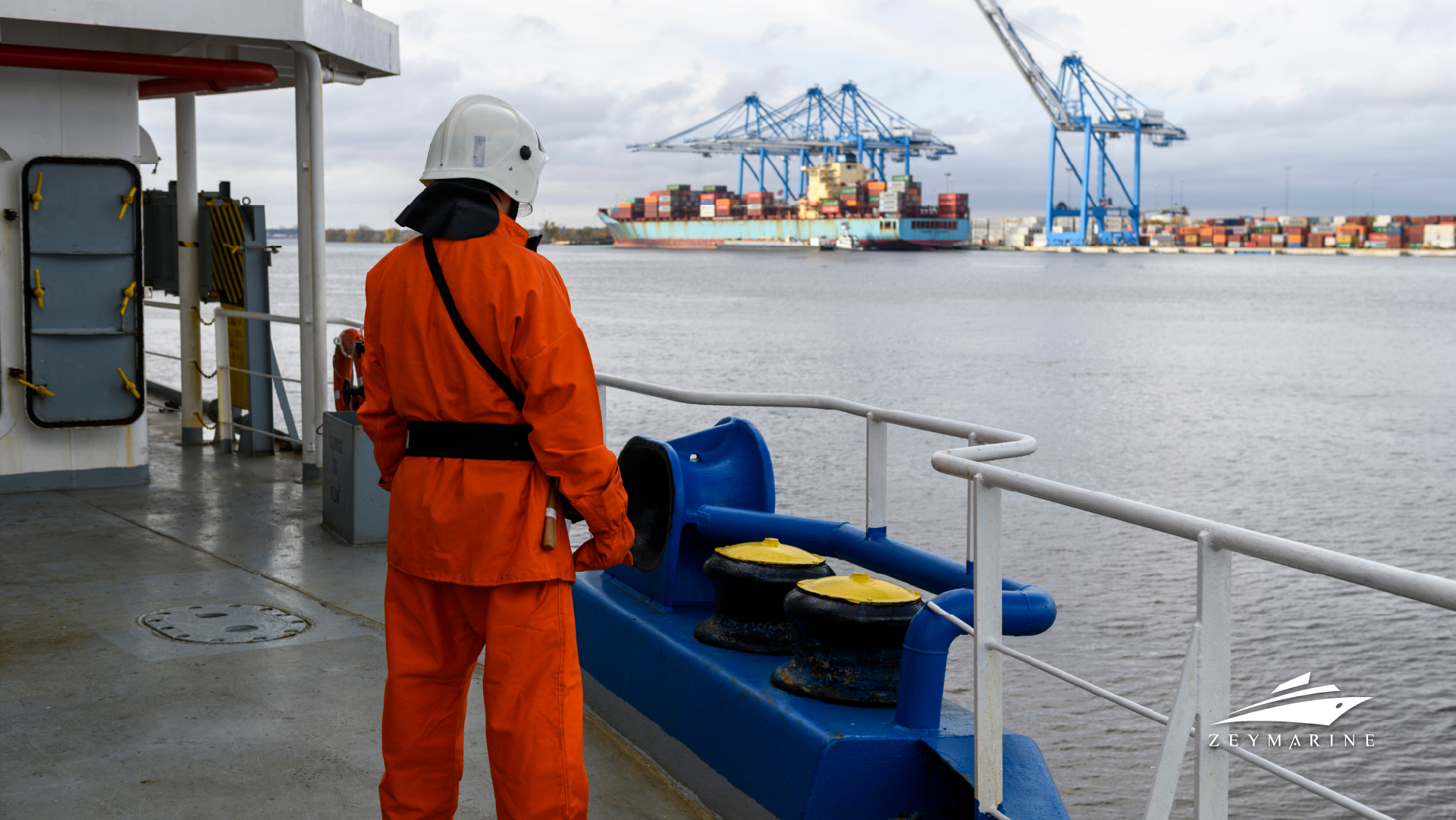
While millions sit in open-plan offices typing prompts into generative software, roughly 1.9 million seafarers are quietly keeping 90% of global trade moving across the oceans.
For maritime students preparing to launch their careers or professionals stuck behind a desk seeking a radical shift, the maritime industry offers one of the few remaining career paths defined by tangible impact. Here are 10 reasons to become a seafarer.
Artificial intelligence cannot steal your job
While artificial intelligence continues to disrupt white-collar desk jobs, it remains incapable of performing physical, high-stakes operational labor. An algorithm cannot overhaul a diesel engine generator in heavy seas, secure cargo in a force-eight gale, or navigate a merchant ship through dense fog.
Genuinely international workplace
Seafaring removes you from the monotony of traditional office life and places you in a globally interconnected environment. You work alongside diverse international crews and wake up to a constantly shifting horizon.
Accelerated financial independence
While at sea, your living expenses (food, accommodation, utilities, and travel) are completely covered by your employer. Combined dollar-based salaries, seafarers can save a significantly higher percentage of their income compared to their land-based peers.
Truly free spirit
Seafaring offers a distinct departure from the hyper-connected, micro-managed workplace. Out on open water, professionals are removed from the relentless cycle of corporate bureaucracy, urban congestion, and digital noise. This environment fosters a disciplined self-reliance and clarity of purpose that is increasingly difficult to attain on land.
Clear, Merit-Based Progression
Career advancement at sea is governed by international maritime standards (STCW) rather than corporate politics. By completing verified sea time and passing standardized competency examinations, your pathway from Cadet to Chief Engineer or Master Captain is transparent and globally recognized.
Tangible Impact and Real Responsibility
Unlike abstract administrative tasks, every duty aboard a vessel has immediate, measurable consequences. Managing massive machinery, navigating global sea lanes, and ensuring crew safety build a level of self-reliance and practical problem-solving that few land-based roles can match.
Superior Resilience and Crisis Management
Operating a ship requires calm decision-making under pressure and adaptive crisis management. The leadership traits and resilience you develop at sea become lifelong assets, elevating your personal and professional capabilities anywhere in the world.
Seamless Transition to Lucrative Shore-Based Roles
A career at sea does not lock you into the ocean forever. The hands-on experience and sea time you gain are in high demand for land-based maritime logistics, port operations, shipbroking, marine insurance, classification societies, and maritime law.
Direct Engagement with the Natural Realm
Months spent at sea offer a rare break from traffic, noise pollution, and endless digital notifications. This environment provides dedicated time to focus on personal growth, health, studying, or learning new skills without daily land-based distractions.
Indispensable Purpose Within the Global Economy
Over 90% of global trade moves by sea. Transporting energy, food, medical supplies, and raw materials places seafarers at the very core of global supply chains, giving daily work a deep sense of purpose.